Defense Heat Treating Solutions
Custom Precision Equipment for Mission Critical Parts
Find Out Why CEC is the Best Choice when Performance Truly Matters
Experts in Engineering Furnaces and Fulfilling Defense Contracts
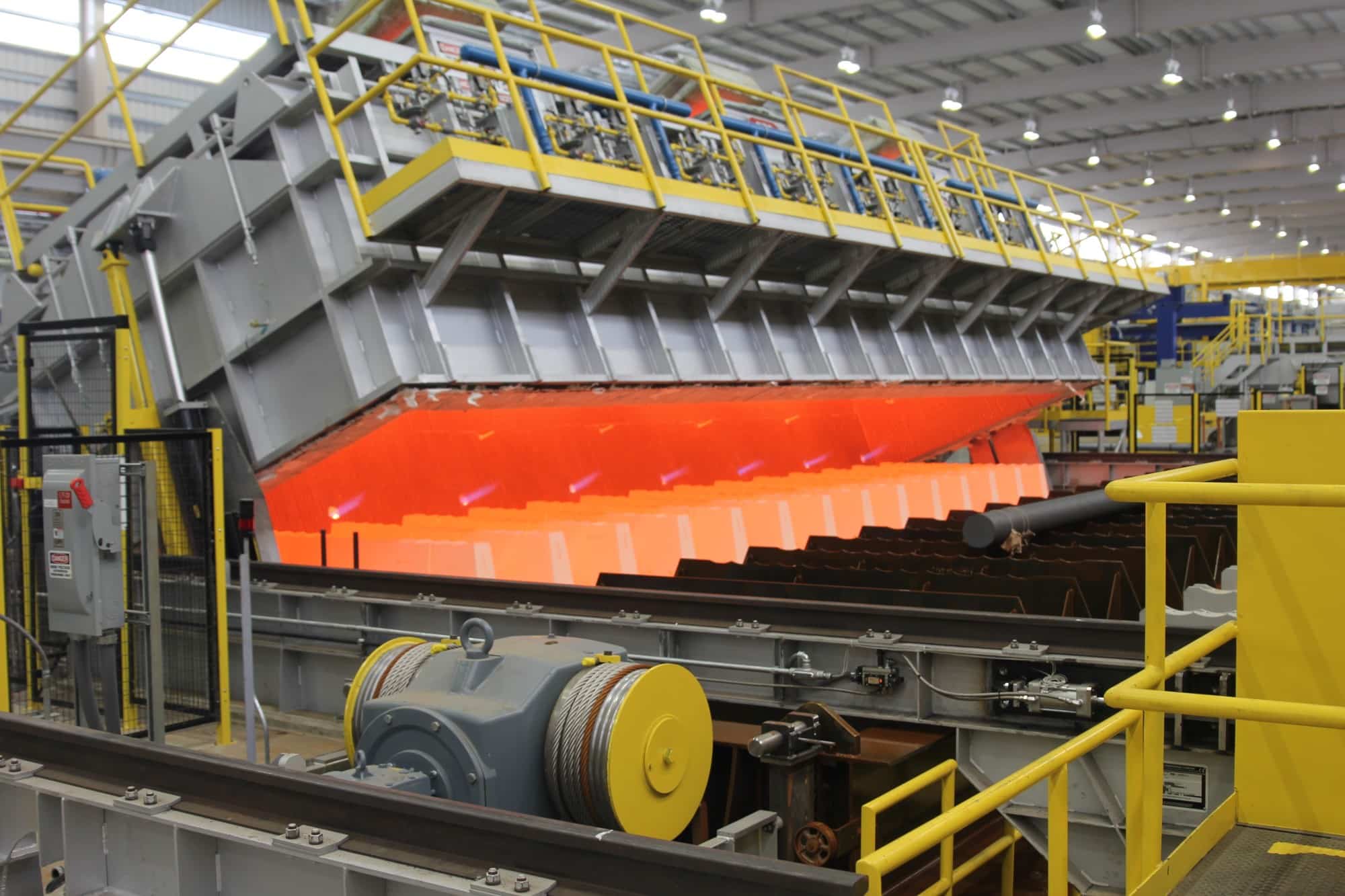
CEC has decades of experience dealing with DoD contracts for a variety of heat treating equipment including aluminum solutionizing, steel austenetizing, and steel tempering furnaces. As with any job, our experience with strict code compliance and tight material specification puts us a step ahead of the competition.
Whether working as a direct contractor or subcontractor, CEC’s familiarity with understanding, bidding, and fulfilling DoD contracts makes the whole process from order placement to installation and commissioning as smooth and efficient as possible.

Certified, Compliant, and Ready to Get the Job Done
Between being certified under the Joint Certification Program (JCP), registered with SAM, and compliant with ITAR and DFARS regulations, CEC is prepared to tackle any heat treating opportunities in the defense industry. Prime contractors can rest easy knowing that their subcontractor is ready to handle sensitive and critical DoD jobs.
Even if those jobs require sensitive information, CEC is CMMC 1.0 compliant, and CMMC 2.0 level 2 ready. Job-critical information can be passed on without the hassle of worrying if CEC is capable of handling CUI or FCI.
Engineering Excellence Backed by Advanced Modelling
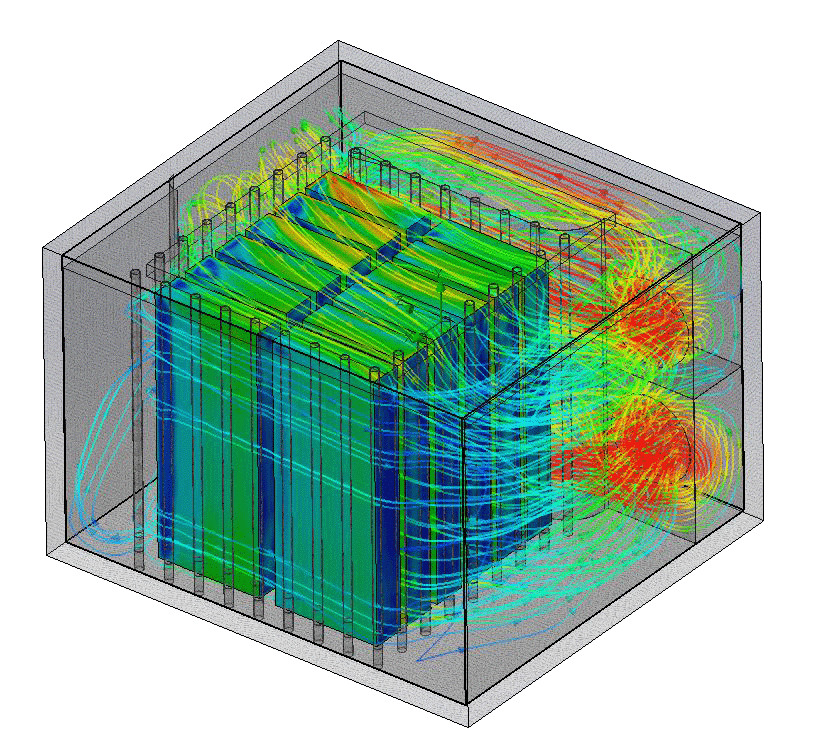
CEC’s engineering team brings unmatched technical expertise to every defense project, combining decades of furnace design experience with cutting-edge tools such as Computational Fluid Dynamics (CFD) and Finite Element Analysis (FEA) modeling. From optimizing airflow for uniform heat distribution to stress-analyzing materials exposed to extreme conditions, our engineers ensure each system meets the strict performance, reliability, and safety standards demanded by the defense industry. This wealth of engineering knowledge allows CEC to deliver solutions that not only comply with codes and specifications but also push the boundaries of efficiency and durability in mission-critical applications.